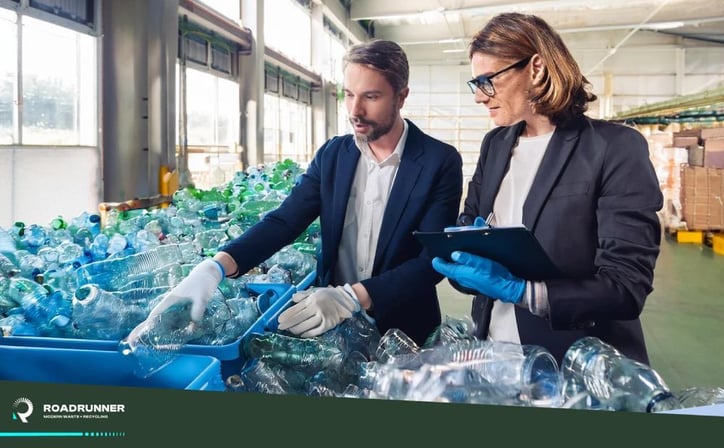
Enterprises generate large and diverse waste streams, making effective waste reduction and recycling both a challenge and a necessity. This blog explains how organizations can streamline commercial waste reduction and recycling to cut costs, improve sustainability, and align with regulatory expectations.
Key takeaways include:
- Conducting supplier and internal audits to identify waste sources and reduce packaging.
- Implementing circular economy strategies, like reusable packaging and sustainable material sourcing.
- Educating and engaging staff with signage, training, and accessible recycling stations.
- Leveraging tech-enhanced waste management partners to track hauler performance, analyze data, and optimize dumpster service.
- Realizing cost savings by reducing landfill use, standardizing purchasing, and aligning with compliance requirements.
Whether due to their industry or nothing else besides the scale of their operations, enterprise-level businesses tend to generate both a lot of waste and many types of waste.
Effective management of that waste, including both waste disposal and recycling, only becomes more crucial as time goes on. Without an efficient, adaptable, and holistic plan for reducing, reusing, recycling, and managing waste, large companies can face financial, reputational, and regulatory harms.
How can enterprises streamline commercial waste reduction and recycling efforts? Keep reading for guidance on managing waste streams, improving recycling programs, and more.
Why Enterprises Need to Prioritize Waste Reduction and Recycling Optimization
For many enterprises, size complicates efficiency in waste management. Diverse waste streams, regulatory scrutiny, and operations across many locations all contribute to a complex issue.
From growing regulatory needs and an increased focus on sustainability by stakeholders to the bottom-line financial impacts of waste collection, effective waste reduction strategies can lead to a wide range of benefits. And, a waste management partner dedicated to waste reduction and recycling optimization can help your organization realize those benefits on a faster timeline.
The right strategies for waste reduction can drive operational efficiency, deliver cost savings, improve regulatory alignment, and support sustainability goals. To realize these benefits, enterprise-level businesses can consider the following strategies and processes.
Practical Strategies to Streamline Waste Reduction and Recycling
There are many potential avenues toward improved waste reduction and recycling. These include:
- Incorporating sustainable materials management strategies, such as removing excess waste from production processes and engaging in circular economy trade with other businesses and organizations.
- Conducting supplier audits to identify packaging that can be minimized or replaced.
- This step can be especially helpful for building plastic waste reduction strategies, ranging from the adoption of reusable packaging to sourcing sustainable or recyclable materials to replace plastics in internal workflows.
- It can also provide the information and context needed to standardize purchasing across locations, with the goal of reducing excess packaging.
- Carrying out internal audits to quantify waste streams and identify the largest or most consistent sources of waste. Then, more closely examining the processes that contribute to these high levels of waste to find untapped efficiencies.
- Delivering education and engagement efforts for staff to encourage recycling and waste reduction workflows. Common concepts include clear signage, easily accessible and centralized recycling stations, and training to reduce waste contamination.
Every enterprise has different processes, waste generation concerns, and potential areas for improvement. However, these broad starting points address common issues across large-scale companies. While the specifics will differ, nearly every enterprise can benefit from auditing suppliers and internal processes, educating staff, and finding opportunities in the circular economy.
Partnerships with fully managed, tech-enhanced waste management service providers that audit, monitor, and help to optimize enterprise-level waste management strategies also need to be considered. For example, RoadRunner:
- Conducts waste audits.
- Optimizes service levels for dumpsters with proprietary technology.
- Tracks hauler performance.
- Delivers in-depth waste data and reporting.
- Designs customized commercial recycling solutions.
- Delivers an average 12% cost savings to our clients.
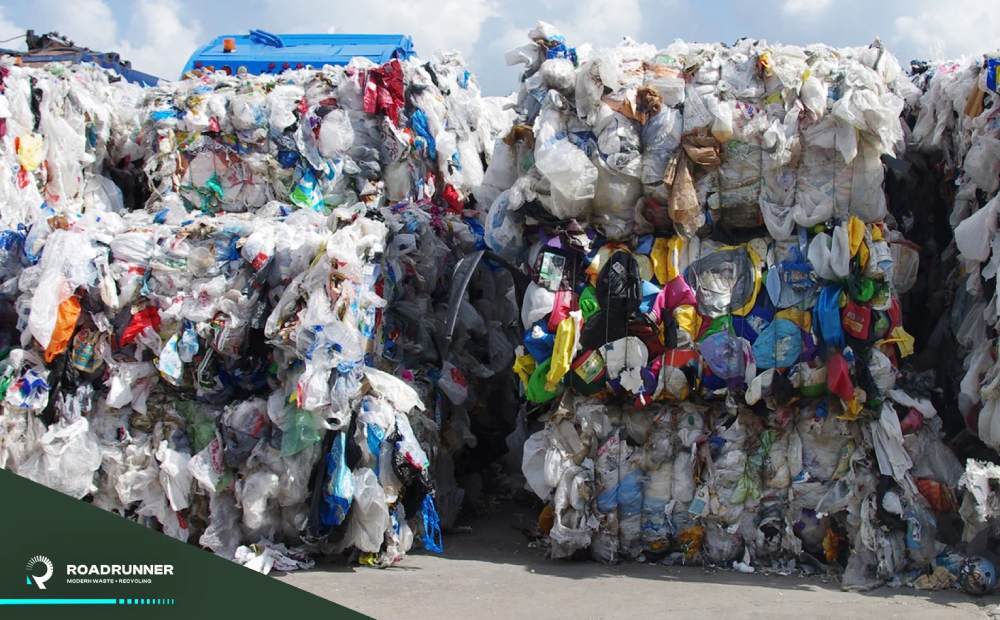
Commercial Waste Reduction and Recycling FAQs
What strategies can be employed to reduce waste and promote recycling and sustainable consumption practices?
Strategies that reduce waste and promote recycling and sustainable consumption break down into three main categories, with examples including:
- Prevention, such as reducing initial purchase and consumption of waste materials, as well as engaging in the circular economy to divert material from landfills and recycling centers.
- Diversion, such as optimized recycling processes and composting for food waste.
- Innovation, such as partnering with a tech-enhanced waste management partner to leverage advanced and proprietary tools to analyze and improve waste management.
How do companies that reduce waste, recycle, and operate efficiently impact their costs?
More efficient waste handling and recycling support lower costs through reducing waste output. They cut down on dumpster service frequency and lower their landfill use, bringing hauling costs down. Better alignment with regulatory standards also reduces the risk of fines and penalties.
Companies can also cut costs through prevention (i.e., reduced purchasing of raw materials and packaging) and standardizing purchasing across multiple locations. They can also reduce costs by participating in the circular economy – selling or trading their waste to other organizations that can effectively use those materials.
How to develop a comprehensive waste reduction strategy for businesses?
Comprehensive commercial waste reduction and recycling strategies center on waste and supplier audits, setting of relevant, company-specific goals, aligning waste reduction goals with business objectives, and educating and engaging staff on key processes and expectations.
A Full Partner for Commercial Waste Reduction and Recycling
RoadRunner’s technology, tools, and waste experts come together to serve as your company’s waste department. From building customized recycling programs to optimizing service levels, our data-driven, tech-enhanced approach delivers holistic improvements and cost savings.
