TL;DR: Customized commercial recycling programs work best when they match how a business actually operates, not just the materials it throws away. Across the six industries covered here, the biggest advantage comes from building recycling processes that fit daily workflows, reduce friction for staff, and hold up under real operating pressure.
- Manufacturing and warehousing benefit when recycling supports throughput, keeps staging areas clear, and helps manage steady volumes of corrugated and packaging waste.
- Hospitality and restaurants need programs that fit fast-moving back-of-house routines, especially where food waste is a major part of the waste stream.
- Healthcare and life sciences require clearer separation between recoverable materials and sensitive or regulated waste, with special attention to electronics handling.
- Office buildings improve results when bin placement, signage, and communication make participation easier across floors or sites.
- Multi-site businesses see stronger consistency when recycling programs are customized by location but managed within one broader operating framework.
Modern commercial recycling services work best when they reflect the way a business actually runs. A program that looks fine on paper can still create friction if it does not match the way materials move through the operation. That is one reason generic recycling setups often fall short, and why waste assessments and site-specific program design are an important component of improving recycling performance.
The industries below are some of the strongest candidates for customized commercial recycling programs because the right fit can make recycling easier to sustain under normal operating conditions. While this is not an exhaustive list of the industries RoadRunner serves, it is a practical cross-section of sectors where process fit tends to matter most.
1. Manufacturing and Fabrication
The manufacturing industry benefits from customization because recycling has to work alongside production, not outside it. Material capture points, service timing, and staging areas need to match throughput if the program is going to hold up during a normal shift. That is especially important in industrial settings, where waste handling can affect day-to-day operations and how smoothly materials move through the facility.
Proper handling also matters in manufacturing environments with stricter waste requirements or more complex internal processes. For facilities that receive steady inbound shipments, commercial cardboard recycling can also become an important part of a program that keeps production areas clear and materials moving efficiently.
2. Warehousing and Distribution
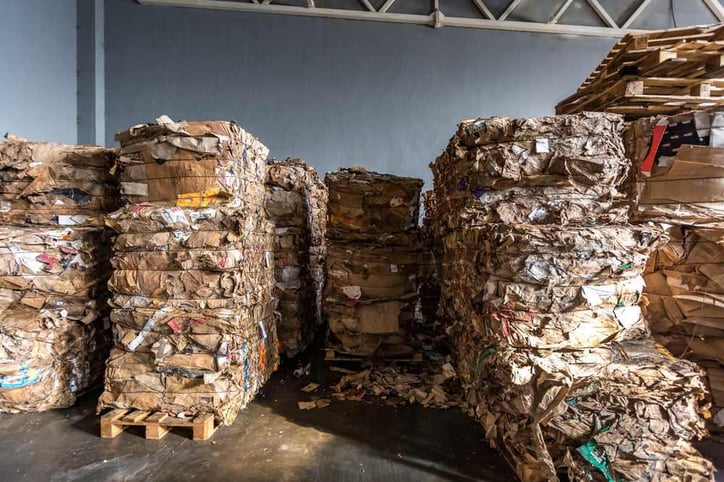
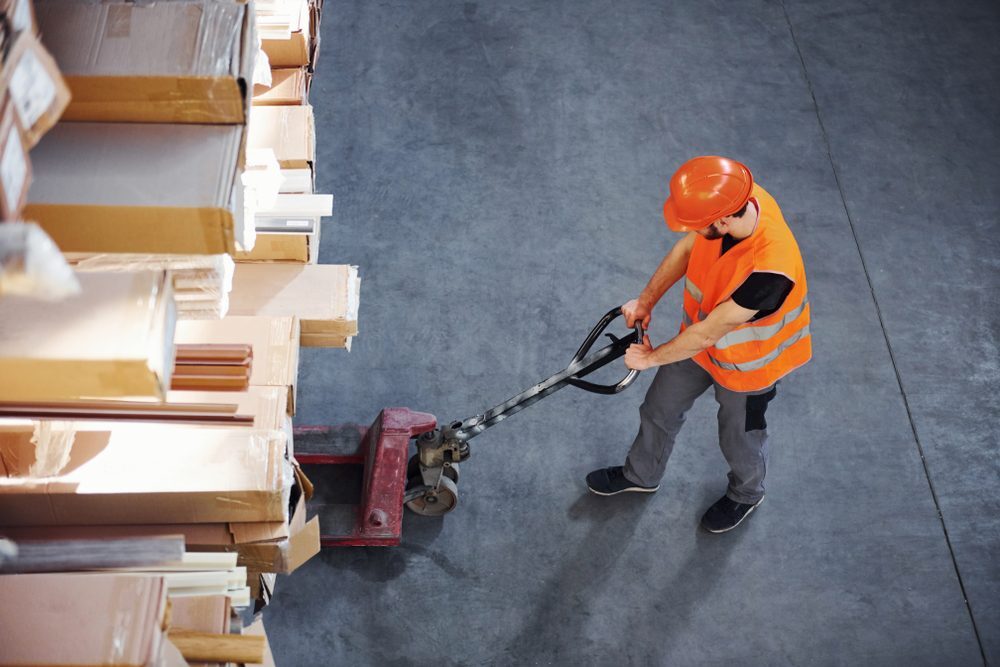
Warehousing and distribution facilities move material quickly, which means recycling has to keep pace with daily throughput. Corrugated and film often build up around receiving and shipping areas. That means that the wrong pickup rhythm can quickly turn useful dock space into overflow space.
Waste assessments can uncover contamination and missed recyclables, which matters in high-volume environments where material can pile up fast. In these settings, commercial cardboard recycling often plays a central role because so much packaging enters and exits the facility every day.
3. Hospitality
Hotels, venues, and similar properties need recycling programs that can absorb uneven traffic without creating extra work for the staff. Food waste is a major issue in the broader commercial waste stream. Likewise, hospitality properties may also need a clear plan for debris during renovations or upgrades.
For many properties, commercial food waste recycling can support a more organized back-of-house process, especially when they generate steady volumes of discarded food.
4. Healthcare and Life Sciences
Healthcare facilities benefit from recycling programs that keep recoverable materials clearly separated from regulated or sensitive streams. Volume can vary by department, and busy teams need straightforward processes that reduce hesitation at the point of disposal.
Electronics handling matters, too, because device turnover often comes with documentation and security expectations. Businesses should work with certified electronics recyclers when devices leave service, especially when data security and documentation matter. Using a qualified downstream partner helps support more controlled handling throughout the disposition process. In practice, that often makes commercial electronics recycling an important part of a broader recycling program in healthcare and life sciences settings.
5. Office Buildings and Campuses
Office waste can look simple until participation starts to drift across floors or across sites. Recyclable paper, bottles, and packaging are more likely to end up in the trash when collection points are inconvenient or when employees are unsure what belongs in each bin. Everything from bin placement to clear signage can influence whether recyclable material is captured correctly or ends up in the trash.
Communication and building-specific planning are key, as success often depends on how easy the system is to follow during an ordinary workday. Furthermore, a stronger office program usually includes bin placement in high-use areas, signage that reflects the materials actually generated on site, and regular review. In many office environments, commercial paper recycling remains one of the clearest opportunities to improve participation and reduce contamination.
6. Restaurants and Foodservice
Restaurants and foodservice operations generate a mix of packaging and food waste. The volume of waste and the high speed at which the staff work mean that a generic recycling setup often isn’t enough. It’s crucial that a recycling program fits the real kitchen routines that are in place.
In 2019, the EPA estimated that the food retail, food service, and residential sectors generated 66 million tons of wasted food, with about 60% sent to landfills. They suggest that the best option for reducing environmental impacts is actually preventing food waste. That usually means tightening ordering, storage, prep, and portioning, also known as source reduction.
In essence, with thoughtful prep and separation processes, kitchens have a better chance of reducing disposal volume before food waste reaches the bin. When the right systems are in place, commercial food waste recycling will support better handling for any food waste that does remain.
Frequently Asked Questions About Commercial Recycling Services
What industries benefit most from customized commercial recycling programs?
Industries with steady material volume, complicated workflows, or stricter handling expectations usually benefit most. Manufacturing, warehousing, hospitality, healthcare, office properties, and restaurants are all strong examples because recycling has to fit real operating conditions to work consistently.
Why do standard commercial recycling programs fall short?
Standard programs often miss the way waste is actually generated and moved through a site. EPA says waste assessments can uncover contamination and missed recyclables, which shows why program design needs to reflect local conditions instead of relying on a one-size-fits-all setup.
How do customized recycling programs help multi-site operations?
They create a more consistent operating framework while still allowing each location to get the service mix it needs. RoadRunner says it audits each location, then consolidates management across the portfolio, which supports stronger oversight and more reliable execution from site to site.
Does Your Industry Benefit from Commercial Recycling Services?
Many businesses benefit from commercial recycling services. The strongest results usually come when the program matches the realities of the site, supports staff participation, and holds up under normal operating pressure. Learn more about RoadRunner’s commercial recycling services.
